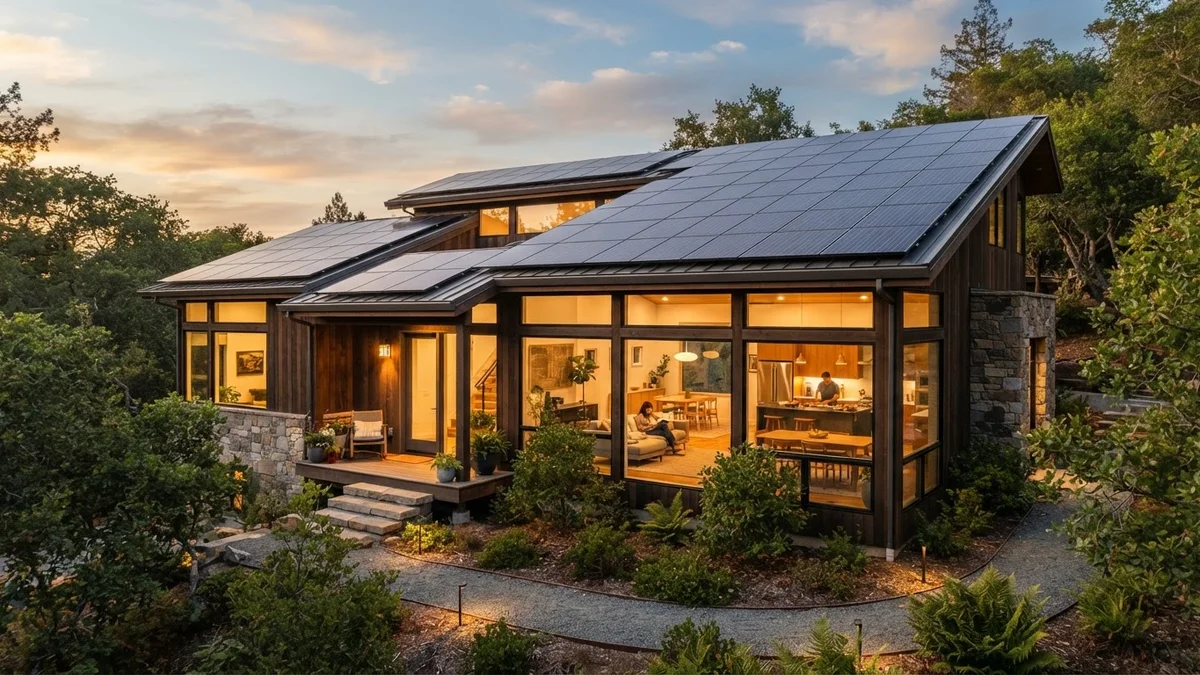
Energy-efficient homes cost less to run, are more comfortable and reduce environmental impact. Some upgrades are cheap and quick, while others are bigger investments that pay off over time.
Quick and Low-Cost Upgrades
- Switch to LED bulbs, which use far less electricity and last longer.
- Seal gaps around doors and windows with weatherstripping.
- Use smart power strips to stop standby power use.
- Fit low-flow showerheads and tap aerators to save hot water.
- Use curtains or blinds to manage heat and sunlight.
Medium Investments
| Upgrade | Benefit |
|---|---|
| Programmable or smart thermostat | Heats or cools only when needed |
| Efficient appliances | Lower running costs over many years |
| Ceiling fans | Reduce reliance on air conditioning |
| Insulating water heater and pipes | Less heat loss |
Bigger Upgrades
- Insulation: roof and wall insulation keep homes warmer in winter and cooler in summer.
- Efficient windows: double or triple glazing reduces heat transfer and noise.
- Solar panels: generate your own electricity in sunny regions.
- Heat pumps: efficient heating and cooling in many climates.
Check for Incentives
Many governments and utilities offer rebates, grants or low-interest loans for energy-efficient upgrades. Check what is available in your area before you buy.
Everyday Habits
Turn off lights in empty rooms, wash clothes in cooler water, air-dry laundry when possible and set thermostats a degree or two lower in winter and higher in summer.
Conclusion
Start with simple, low-cost changes and plan larger upgrades over time. Together they can noticeably reduce bills and make your home more comfortable.
Disclaimer: This article is for general information only and does not constitute legal, financial or professional advice. Property laws, costs and practices vary by country. Please consult qualified professionals before making decisions.