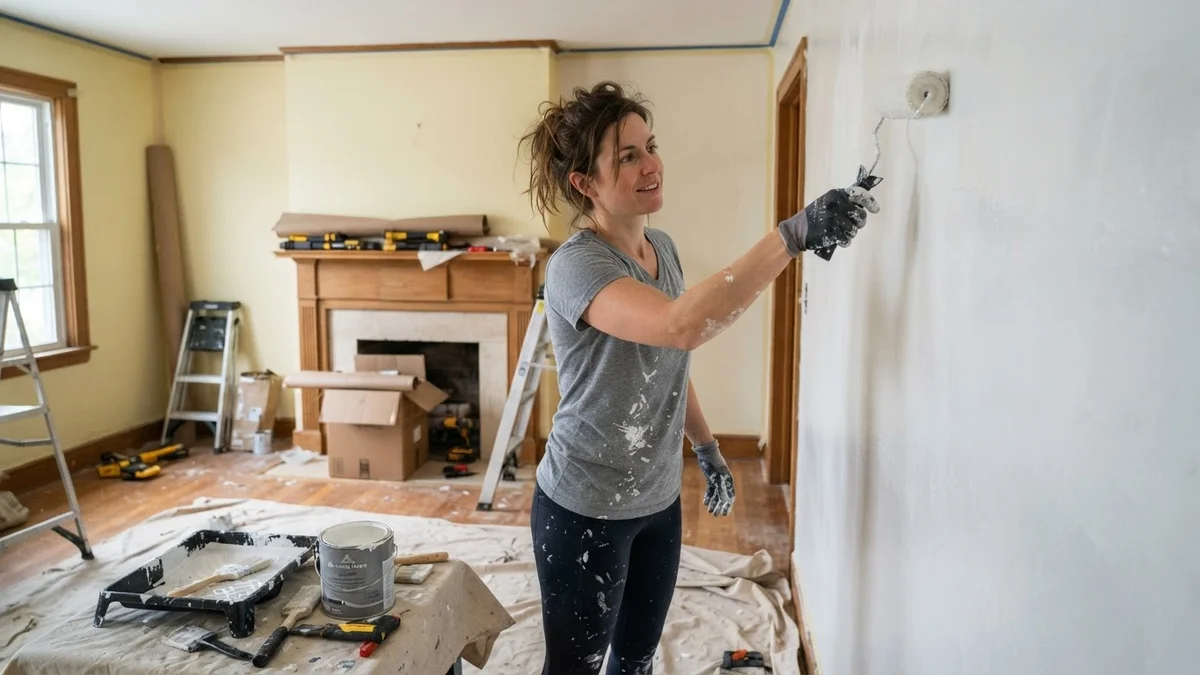
A home renovation does not have to cost a fortune. With good planning and smart choices, small changes can make your home look fresher, feel more comfortable and even add value.
Plan Before You Spend
- List what bothers you most about your home.
- Set a realistic budget with a 10 to 15 percent buffer for surprises.
- Prioritise repairs and safety before cosmetic changes.
- Get several quotes for any professional work.
High-Impact, Low-Cost Ideas
| Idea | Why it works |
|---|---|
| Fresh paint | Instantly brightens and modernises rooms |
| New lighting | Changes the mood and makes spaces feel bigger |
| Updated hardware | New handles and taps refresh kitchens and bathrooms |
| Declutter and reorganise | Creates space without spending much |
| Plants and textiles | Add warmth with cushions, rugs and greenery |
Kitchen and Bathroom Refresh
Instead of replacing cabinets, consider painting or refacing them. Regrouting tiles, replacing silicone seals and updating taps can make bathrooms look almost new.
DIY vs Professionals
Painting, simple shelving and decorating are often suitable for DIY. Electrical, gas, plumbing and structural work should always be done by qualified professionals for safety and legal reasons.
Save Money Wisely
- Buy materials during sales.
- Consider good-quality second-hand furniture.
- Reuse and upcycle existing items.
- Avoid cheap materials in high-use areas where durability matters.
Conclusion
Smart planning, a clear budget and a few high-impact changes can transform your home without overspending.
Disclaimer: This article is for general information only and does not constitute legal, financial or professional advice. Property laws, costs and practices vary by country. Please consult qualified professionals before making decisions.