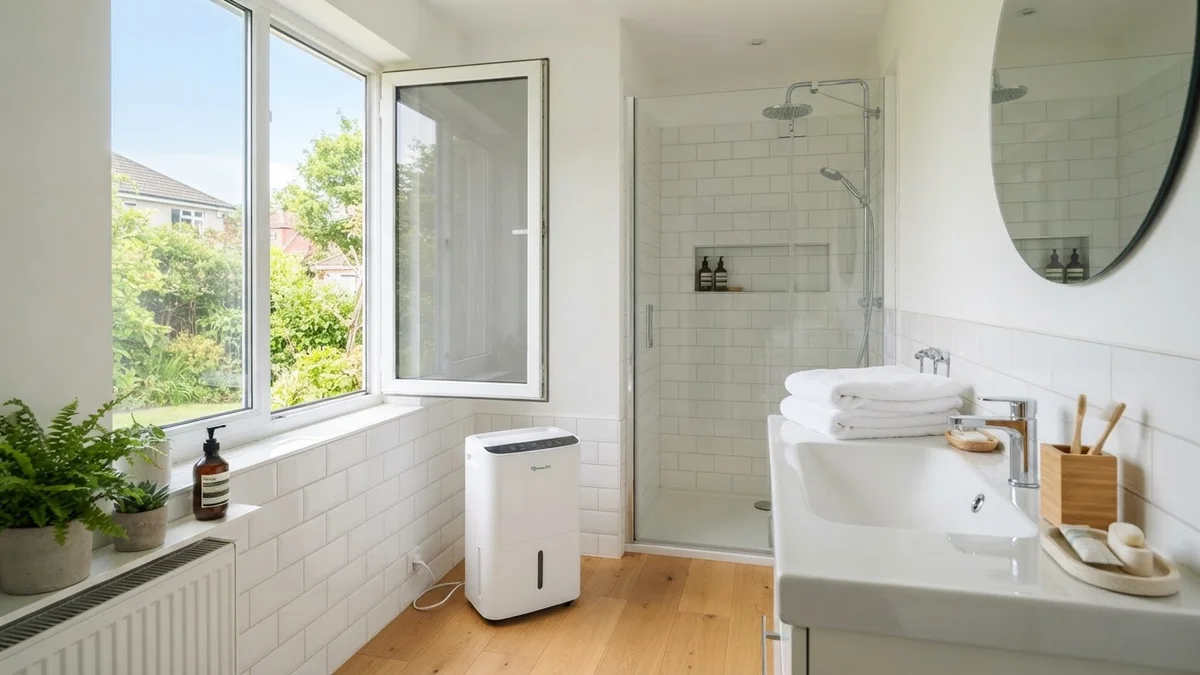
Damp and mould are common problems in homes around the world, especially in humid climates or during rainy seasons. Beyond unpleasant smells and stains, mould can damage walls and furnishings and may affect people with allergies or breathing problems.
Common Causes
| Cause | Signs |
|---|---|
| Condensation | Water droplets on windows, black spots in corners |
| Leaks | Damp patches near pipes, roofs or bathrooms |
| Rising damp | Tide marks and flaking paint low on walls |
| Poor ventilation | Musty smells and stale air |
Reduce Moisture
- Use extractor fans or open windows while cooking and showering.
- Dry clothes outdoors or in a well-ventilated room.
- Cover pots when cooking.
- Use a dehumidifier in very humid areas.
Improve Ventilation
Open windows briefly every day to let fresh air circulate. Keep furniture slightly away from external walls so air can move behind it.
Fix Leaks Quickly
Repair dripping taps, damaged roof tiles, blocked gutters and cracked seals around baths and showers as soon as you notice them.
Keep Your Home Evenly Warm
In cooler climates, keeping rooms at a steady, moderate temperature reduces condensation on cold surfaces.
Cleaning Small Mould Patches
Small areas can usually be cleaned with suitable mould cleaner while wearing gloves and keeping the room ventilated. Large or recurring mould, or mould caused by structural problems, should be assessed by a professional.
Conclusion
Control moisture, improve airflow and fix leaks early. These steps keep your home dry, fresh and healthier for everyone living there.
Disclaimer: This article is for general information only and does not constitute legal, financial or professional advice. Property laws, costs and practices vary by country. Please consult qualified professionals before making decisions.